Anghista: A Script Font for Digital Design
When working on a new website project, choosing the right font can feel like finding the perfect piece of jewelry to complete an outfit. It needs to stand out, but not overshadow the rest of the design. That’s where Anghista comes in. As a script font, it brings a touch of elegance and personality that feels just right for modern web design.
First Impressions: Testing Anghista in a Hero Section
I first tested Anghista in a hero section of a boutique online store. The goal was to create a visually appealing headline that would catch attention without being too distracting. Anghista’s flowing curves and soft strokes gave the text a handcrafted, artistic feel that aligned with the brand’s aesthetic. It looked natural against a background of minimalist product images and clean white space.
One thing I noticed right away was how well Anghista balanced style with readability. Even at smaller sizes, the letters maintained their clarity, which is crucial for mobile responsiveness. I made sure to test it on different screen sizes and found that it didn’t lose its character or legibility, even when scaled down for buttons or call-to-action elements.
Visual Characteristics and Personality
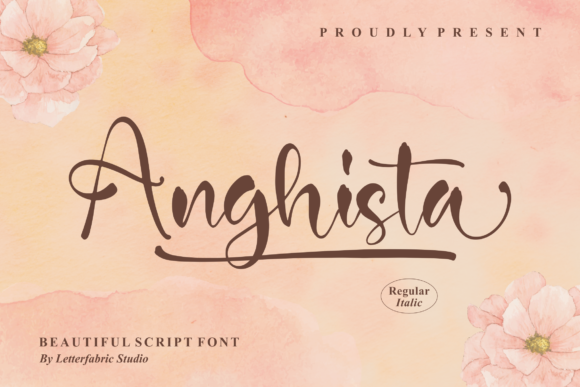
Anghista has a distinct personality. It’s not overly ornate, but it carries a sense of warmth and creativity. The font feels like it was written by hand, which gives it a personal touch that can be really effective for brands looking to convey authenticity. Its fluid lines and subtle variations make it ideal for headers, logos, and decorative accents.
The font works best in contexts where a human touch is desired. For example, on a coaching website, using Anghista for a headline like “Find Your Inner Strength” adds a sense of encouragement and approachability. On a product landing page, it can highlight key selling points with a more expressive tone than a standard sans serif.
Practical Applications in Web Design
As a designer, I often look for fonts that can serve multiple roles. Anghista isn’t just for headlines—it can also work well in section headings, CTA buttons, and short phrases. Its versatility makes it a good choice for digital branding projects, especially when paired with simpler typefaces.
For instance, I used Anghista alongside a clean sans serif for a blog redesign. The script font added visual interest to the header while the sans serif kept the body text easy to read. This pairing created a balanced look that felt both modern and inviting.
Another area where Anghista shines is in social media graphics and digital ads. Its elegant flow makes it stand out in banners and promotional materials, helping to draw attention without overwhelming the viewer.
Readability and User Experience
Readability is always a top priority, especially on mobile screens. I tested Anghista on dark backgrounds and found that it still held up well, though I preferred using it on light backgrounds for maximum clarity. When placed over images or busy backgrounds, it worked best when the text had a subtle shadow or contrast to ensure it stood out.
For small buttons or icons, I found that using a lighter weight of Anghista helped maintain legibility without sacrificing style. It’s important to consider the context in which the font will be used, as different weights and styles can affect how it performs in various layouts.
Font Pairing and Design Assets
Pairing Anghista with other fonts can help create a more dynamic visual hierarchy. A common approach is to use it as a display font alongside a simple sans serif for body copy. This combination allows the script font to shine while keeping the overall design clean and professional.
I also checked the font’s available styles and weights. Anghista offers a range of options that make it adaptable for different design needs. Whether you’re creating a logo, a heading, or a decorative element, there’s likely a style that fits your project.
Before using Anghista on a website, I recommend checking its webfont availability and file formats. It should be compatible with most design tools and web platforms, making it a practical choice for both personal and client projects.
Brand Identity and Digital Appeal
Anghista’s appeal lies in its ability to enhance a brand’s identity without overpowering it. For a creative portfolio, using it in the header or navigation menu can add a touch of sophistication that reflects the designer’s style. On a course sales page, it can help emphasize key messages and create a more engaging user experience.
Its handwritten feel also makes it a great fit for brands that want to communicate a sense of craftsmanship or individuality. Whether it’s a small business website or a digital brand kit, Anghista can add a unique visual element that sets the design apart.
Overall, Anghista is a versatile script font that offers both style and functionality. It’s a great option for designers looking to add a personal touch to their digital projects while maintaining a professional and polished appearance.