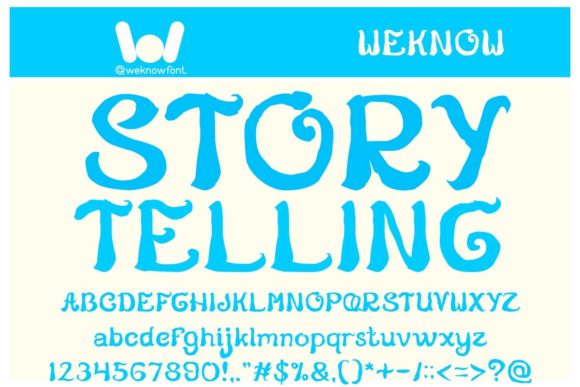
Story Telling Font for Business
As a small business owner, I know how important it is to make every detail count. Whether it's updating a menu or designing a new product label, the right font can transform the look and feel of your brand. That’s why I was excited to try Story Telling, a script font that brings a unique blend of elegance and personality to any project.
What Is Story Telling?
Story Telling is a script typeface that feels like it was created with creativity in mind. It has a natural, flowing style that adds a personal touch to any design. The font’s curves and strokes are smooth and consistent, giving it a polished yet approachable appearance. This makes it ideal for brands looking to convey warmth, authenticity, and a sense of storytelling in their visual identity.
Its versatility allows it to work well in both digital and print formats. Whether you're designing a logo, a social media post, or a packaging label, Story Telling offers a refined aesthetic that stands out without being overwhelming.
Real-World Use Cases
I recently helped a local bakery update their packaging. They wanted something that felt fresh and inviting, while still maintaining a professional look. Using Story Telling on their box labels gave the brand a more cohesive and stylish presence. The font added a subtle elegance that made the products feel more premium, even at an affordable price point.
Another example came from a skincare brand that needed a new label design. Story Telling worked perfectly for the product names and taglines, offering a soft, readable script that complemented the brand’s gentle and trustworthy image. It also paired well with a clean sans serif font for the ingredient lists, creating a balanced and professional look.
For a café looking to refresh their menu, Story Telling was used as a headline font. It brought a warm, handwritten feel to the menu titles, making them more engaging and visually appealing. The font’s readability ensured that customers could easily read the information without straining their eyes.
When to Use Story Telling
Story Telling excels when used for headlines, logos, and short phrases. Its fluidity makes it perfect for display text where a bit of flair is needed. However, it’s not ideal for long blocks of body text due to its intricate details, which can reduce legibility at smaller sizes.
It works best on product labels, packaging titles, and decorative accents. For instance, using it on a candle jar label or a boutique tag gives the product a more personalized and artistic touch. It’s also great for Instagram promotions, where a bold, stylized font can catch attention quickly.
On mobile screens or printed materials, it’s important to use Story Telling at larger sizes to maintain clarity. When designing for social media thumbnails or online shop banners, consider pairing it with a simpler font to ensure the message is clear and easy to read.
Font Pairing Ideas
One of the strengths of Story Telling is how well it pairs with other fonts. For a modern and clean look, pair it with a sans serif font like Helvetica or Montserrat. This creates a contrast that highlights the script’s elegance without overwhelming the design.
If you want a more classic feel, combine it with an elegant serif font such as Georgia or Garamond. This pairing works well for editorial designs, such as magazines or book covers, where a refined and sophisticated look is desired.
For a more casual and creative vibe, pair it with a handwritten font or a playful script. This can be especially effective for handmade or artisanal brands that want to emphasize their unique, personal touch.
When working with digital ads or website banners, keep the font pairing simple. A combination of Story Telling with a minimalist font ensures that the message is clear and the design remains professional.
Considerations Before Using
Before using Story Telling in your branding, check the available styles, file formats, and licensing. Make sure the font includes all necessary weights and alternates to give you flexibility in different design contexts. Multilingual support is also important if your brand serves a diverse audience.
For commercial use, verify that the font license allows for product packaging, merchandise, and client work. Some fonts may have restrictions on resale or redistribution, so it’s always wise to double-check the terms before integrating it into your workflow.
Ultimately, Story Telling is a powerful tool for small businesses looking to elevate their brand identity. Its unique character and versatility make it a valuable addition to any designer’s toolkit, helping create a more polished, consistent, and memorable brand presence.